Blocked drain checklist for Officer homes
A blocked drain is one of the most common plumbing problems in Officer. This checklist helps you work out where the blockage might be, what is safe to try yourself, and when to call a plumber.
Email: info@officerplumbers.com.au
One fixture or the whole house?
If only one sink or basin is slow, the blockage is probably in that fixture's trap or branch. If several fixtures are slow, or the toilet gurgles when the shower drains, the problem is further down the main drain.
Check the overflow relief gully
Find the grated gully outside, usually near the laundry or bathroom. If water or sewage is coming out, the main drain is blocked downstream. Stop using water inside and call us.
What you can safely try
Clear hair from shower and basin wastes, use a plunger on a sink or toilet, and clean the trap under the kitchen sink if you are comfortable doing so. Avoid harsh chemical drain cleaners; they can damage pipes and make the job hazardous for whoever comes next.
When to stop
If plunging does not help, water is coming back up elsewhere, there is a sewage smell, or the drain keeps blocking, it is time for a plumber. Repeated blockages usually mean roots, a damaged pipe or a sagging section.
What we do
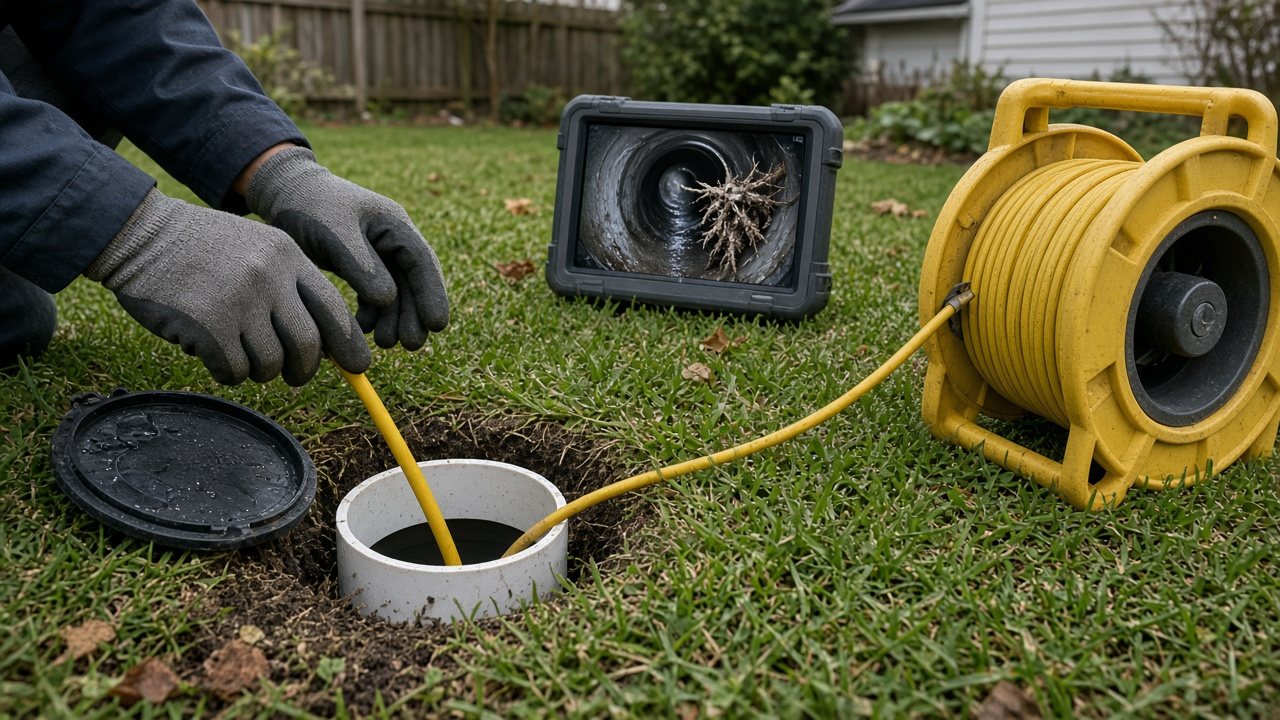
We clear the drain with the right machine, often a high-pressure jetter, then run a camera to see why it blocked. You see the footage and get an explanation of the options.
New homes and building debris
In newer Officer homes, early blockages are often caused by building debris. If your home is within the builder's warranty period, our camera footage can help support a claim.
Keeping drains clear
Bin wipes and sanitary items, wipe fats from pans, use strainers, and keep tree planting away from drain lines. If roots are a recurring problem, ask about relining.
Talk to an Officer plumber
Plumbers out of Officer for Pakenham, Beaconsfield, Clyde North and Berwick. No rates are listed here: we find the fault, then tell you the price before any work.